Blog
MDMA

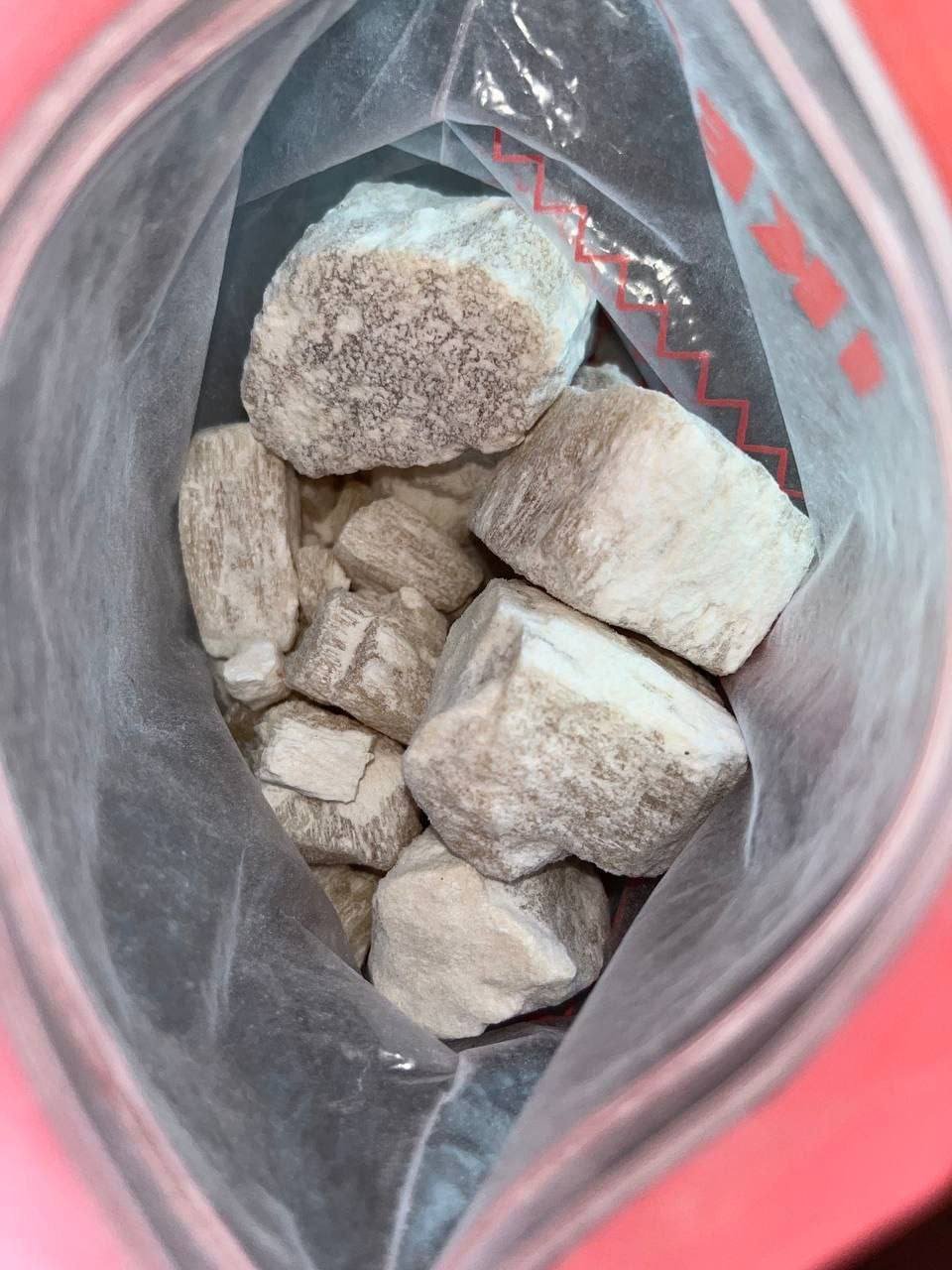
MDMA (Ecstasy/Molly): Effects, Risks, Side Effects, and Health Information
MDMA, commonly known as Ecstasy or Molly, is a psychoactive substance that affects the brain and central nervous system. It has both stimulant and hallucinogenic properties and can alter mood, perception, energy, and emotional experiences.
Although is sometimes associated with recreational settings, it can produce serious and potentially life-threatening health effects. Understanding how affects the body, its potential risks, and warning signs of an emergency is important for making informed health decisions.
What Is MDMA?
MDMA stands for 3,4-methylenedioxymethamphetamine. It affects several neurotransmitter systems in the brain, particularly serotonin, dopamine, and norepinephrine.
The substance is commonly referred to by names such as:
- Ecstasy
- Molly
- E
However, products sold under these names may contain substances other than MDMA. This unpredictability can increase the potential health risks.
What Effects Can MDMA Produce?
MDMA can produce both psychological and physical effects. Individual experiences can vary considerably.
Possible effects include:
- Increased energy and alertness
- Elevated mood
- Feelings of emotional closeness or empathy
- Increased sensitivity to touch
- Altered perception
- Increased heart rate
- Increased blood pressure
- Sweating
- Dilated pupils
- Jaw clenching or teeth grinding
- Nausea
- Anxiety or agitation
Not everyone experiences positive effects. Some individuals may experience panic, confusion, paranoia, agitation, or unpleasant changes in perception.
How Does it Affect the Brain?
it increases the activity of several neurotransmitters, particularly serotonin. Serotonin plays an important role in mood, sleep, appetite, and other bodily functions.
The rapid alteration of neurotransmitter activity contributes to MDMA’s psychological effects. After the main effects wear off, some people may experience fatigue, irritability, low mood, anxiety, or difficulty sleeping.
Repeated exposure may have additional effects on mental health and cognitive functioning, although individual outcomes vary.
Can it Be Dangerous?
Yes can cause serious health complications.
One significant concern is hyperthermia, or dangerously high body temperature. The risk may increase in hot environments or during prolonged physical activity.
Severe overheating can cause organ damage and can become life-threatening. can also increase heart rate and blood pressure, placing additional stress on the cardiovascular system.
MDMA and Hydration
can increase sweating and body temperature, which may contribute to dehydration.
However, drinking excessive amounts of water can also be dangerous because MDMA may interfere with the body’s ability to regulate fluids and sodium.
Symptoms of a serious fluid or temperature-related problem can include:
- Confusion
- Severe headache
- Vomiting
- Muscle cramps
- Extreme weakness
- Loss of consciousness
- Seizures
Severe symptoms require immediate medical attention.
Can Interact With Other Drugs?
Yes. Combining MDMA with other substances can increase health risks.
Of particular concern are substances that affect serotonin. Combining multiple serotonin-affecting drugs can increase the risk of serotonin syndrome, a potentially dangerous condition.
Possible symptoms include:
- Agitation
- Confusion
- Rapid heart rate
- Increased body temperature
- Tremors
- Muscle rigidity
- Seizures
MDMA combined with alcohol or other psychoactive substances can also produce unpredictable effects and increase the risk of complications.
Anyone taking prescription medication should discuss potential interactions with a qualified healthcare professional.
Can MDMA Cause Addiction?
can lead to problematic patterns of use in some individuals.
Although its dependence profile differs from substances such as opioids or benzodiazepines, repeated use can still result in harmful consequences.
Warning signs of problematic substance use can include:
- Difficulty controlling use
- Continuing to use despite negative consequences
- Spending significant time obtaining or recovering from use
- Problems with work, education, relationships, or finances
- Feeling unable to stop using the substance
Professional support can be helpful for people experiencing these difficulties.
What Are the Long-Term Effects?
Research into long-term MDMA effects is complex because people who use may also use other substances, making individual outcomes difficult to separate.
Repeated or heavy use has been associated with concerns involving mood, sleep, memory, attention, and other aspects of psychological functioning.
The risks can vary depending on frequency of use, individual health, other substances involved, and the contents of the product.
What Are Signs of an Emergency?
A serious reaction may require immediate emergency medical care.
Warning signs include:
- Extremely high body temperature
- Severe confusion
- Extreme agitation
- Seizures
- Loss of consciousness
- Difficulty breathing
- Severe chest pain
- Very rapid or irregular heartbeat
- Severe muscle rigidity
A person experiencing these symptoms should receive urgent medical attention. Do not assume that severe symptoms will resolve by themselves.
Frequently Asked Questions
What does MDMA stand for?
MDMA stands for 3,4-methylenedioxymethamphetamine, a psychoactive substance with stimulant and hallucinogenic properties.
Is Molly the same?
“Molly” is commonly used as a name for MDMA, but products sold under that name may contain other substances. The name alone does not guarantee the contents.
Is Ecstasy the same?
Both names are commonly associated with MDMA, but products sold as Ecstasy or Molly may contain different substances or mixtures. Their actual contents can therefore be unpredictable.
Can it cause dehydration?
MDMA can increase sweating and body temperature, which may contribute to dehydration. At the same time, excessive water consumption can also be dangerous.
Can it cause anxiety?
Yes. Although MDMA can produce elevated mood in some people, it can also cause anxiety, panic, agitation, or paranoia.
Is it safe?
MDMA is not risk-free. Serious complications can include overheating, cardiovascular problems, dangerous interactions, and severe psychological reactions.
Conclusion
MDMA (Ecstasy/Molly) is a psychoactive substance that can produce changes in mood, energy, perception, and emotional experiences. However, it can also cause serious health complications, particularly involving body temperature, cardiovascular function, hydration, mental health, and interactions with other substances.
Understanding these risks is an important part of health education. Anyone experiencing severe symptoms after taking MDMA should seek emergency medical assistance rather than attempting to manage a potentially serious reaction alone.
Medical disclaimer: This article is intended for educational purposes only and does not provide individualized medical advice, diagnosis, or treatment.